Source Silk Screen Printing Shampoo Bottle for Cosmetics
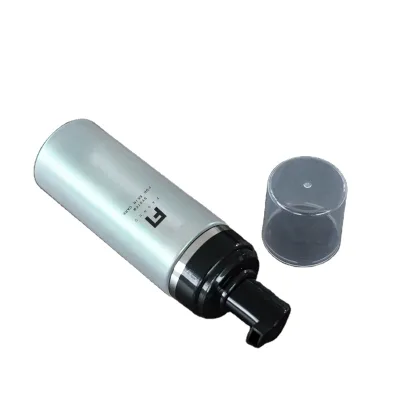
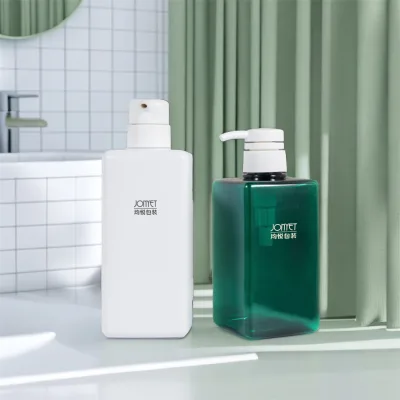
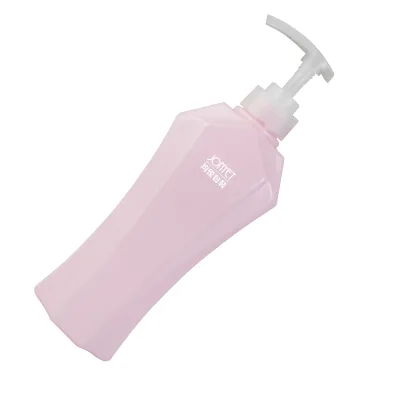
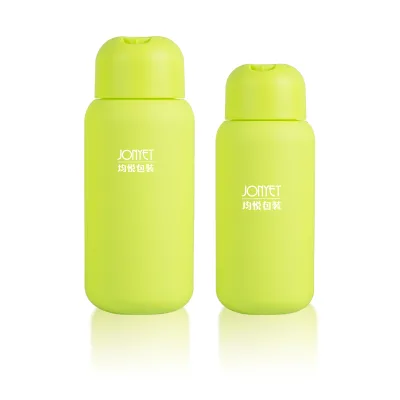
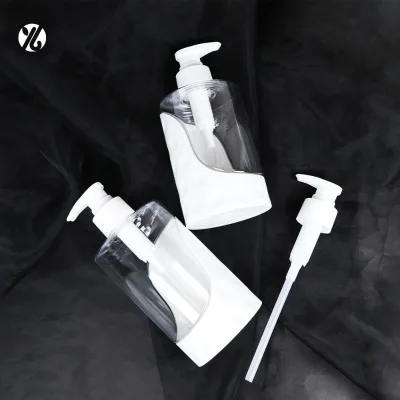
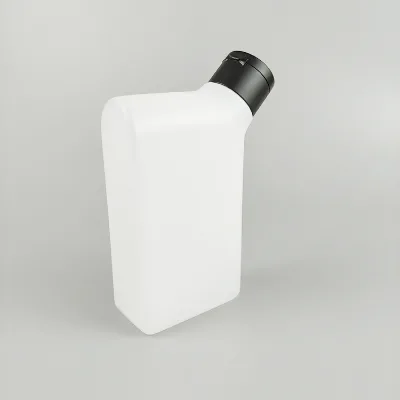
Find and compare 30 customizable plastic and metal containers featuring silk screen printing shampoo bottle designs. Options include trigger sprayers, lotion pumps, and fine mist applicators with neck sizes from 16mm to 38mm, suitable for personal care and household products.
Key considerations
Products List






Comprehensive Sourcing Guide
Silk Screen Printing Shampoo Bottle Sourcing Guide
Sourcing shampoo bottles with silk screen printing requires a strategic balance between aesthetic branding and functional durability. The visual appeal of a shampoo bottle is often the primary differentiator on crowded retail shelves, making the printing method a critical component of the product’s marketability. Silk screen printing, also known as screen printing, offers a distinct tactile quality and vibrant color saturation that digital methods often struggle to replicate. For procurement professionals, understanding the nuances of this process is essential to ensuring that the final packaging not only looks premium but also withstands the rigors of supply chain logistics and consumer use.
This guide provides a structured approach to evaluating suppliers and specifications for silk screen printed shampoo bottles. It focuses on verifying material compatibility, assessing print durability, and managing commercial terms. By adhering to the evidence-based insights provided, buyers can mitigate risks associated with poor adhesion, color fading, or regulatory non-compliance. The objective is to equip procurement teams with the knowledge to make informed decisions that align with brand identity, budget constraints, and quality standards.
Product Scope and Observed Listing Signals
The market for shampoo packaging is diverse, with listings indicating a wide range of materials and capacities. Observed data suggests that plastic remains a dominant material choice, with specific mentions of PET and PETG types. These materials are favored for their clarity, durability, and cost-effectiveness in high-volume production. Listings also indicate the presence of metal components, such as aluminum, often used for caps or collars, which can add a premium feel to the packaging. The observed price range of $0.02 to $1.50 USD reflects the variability in complexity, with simple bottles commanding lower prices and those with custom shapes, specialized closures, or multi-layer printing commanding higher rates.
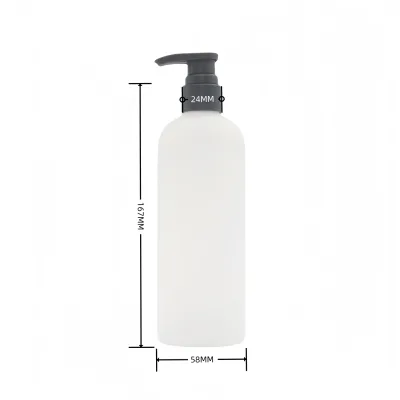
Capacity and closure types are significant variables in product selection. Observed specifications highlight neck sizes ranging from 16mm to 38mm, allowing for compatibility with various pump heads, trigger sprayers, and lotion pumps. The MOQ (Minimum Order Quantity) ranges from 100 to 10,000 units, indicating that suppliers cater to both small-batch custom projects and large-scale industrial orders. Buyers should note that while some listings offer free samples, the actual production lead time typically spans 10 to 30 days, depending on the complexity of the printing design and the current supplier workload. Understanding these signals helps in forecasting inventory needs and aligning production schedules with marketing campaigns.
Technical Specifications to Verify
Verifying the technical specifications of silk screen printing is crucial for ensuring brand consistency and product longevity. The surface handling process involves applying ink through a mesh screen, which allows for thicker ink layers compared to other printing methods. This results in a raised texture that can be felt by the consumer, adding a tactile dimension to the brand experience. Buyers should verify the specific ink types used, as they must be compatible with the bottle material, whether it is PET, PETG, or metal. Incompatibility can lead to peeling, cracking, or fading, especially when the bottle is exposed to moisture, heat, or frequent handling.
The durability of the print is another critical technical aspect. Shampoo bottles are frequently exposed to water, steam, and chemical residues from the product itself. Buyers should request evidence of adhesion tests, such as cross-cut tape tests, to ensure the ink remains firmly attached to the substrate. Additionally, the thickness of the ink layer, observed to be around 1 mm in some contexts, should be evaluated for its impact on the bottle’s structural integrity and stackability. Excessive ink thickness can weaken the bottle wall or cause uneven stacking in shipping cartons. It is also important to confirm whether the printing process includes additional treatments, such as UV coating or heat curing, to enhance resistance to abrasion and chemical exposure.
Compliance and Safety Documentation
Compliance with safety and environmental standards is non-negotiable in the cosmetics and personal care packaging industry. Buyers must ensure that the inks and materials used in the silk screen printing process meet relevant regulatory requirements. While specific certifications like ISO 9001, BSCI, REACH, and RoHS are mentioned in background data, buyers should verify the current status of these certifications with the supplier rather than assuming compliance. REACH compliance, for instance, is critical for ensuring that the inks do not contain restricted substances that could leach into the shampoo or pose health risks to consumers.
Documentation should also cover the recyclability and environmental impact of the packaging. Many brands are under pressure to adopt sustainable packaging solutions. Buyers should inquire whether the silk screen inks are water-based or solvent-based, as this affects the environmental footprint and the ease of recycling the plastic bottles. Additionally, verifying that the printing process does not compromise the recyclability of the primary material, such as PET, is essential. Suppliers should provide Material Safety Data Sheets (MSDS) for the inks and certificates of conformity for the raw materials to ensure that the final product meets both local and international safety standards.
Cost Drivers and Commercial Terms
Several factors influence the cost of silk screen printed shampoo bottles, with the number of colors and the complexity of the design being primary drivers. Each additional color in a silk screen print requires a separate screen and a separate pass through the printing press, increasing both material and labor costs. Buyers should optimize their design to minimize the number of colors without compromising brand identity. The choice of bottle material also affects pricing, with PET and PETG offering a balance of cost and quality, while metal components or specialized shapes may incur higher tooling and production costs.
Commercial terms, including MOQ and lead times, play a significant role in the total cost of ownership. Higher MOQs often result in lower per-unit costs due to economies of scale, but they also tie up more capital in inventory. Buyers should negotiate flexible MOQs if they are testing new products or launching limited editions. Lead times, observed to range from 10 to 30 days, should be factored into the production schedule to avoid stockouts. Additionally, buyers should clarify the cost of samples, tooling, and any additional fees for design adjustments. Transparent communication about these commercial terms helps in avoiding unexpected expenses and ensures a smoother procurement process.
Supplier Qualification and Quality Control
Qualifying suppliers for silk screen printed packaging requires a thorough assessment of their manufacturing capabilities and quality control processes. Buyers should verify the supplier’s experience with silk screen printing, particularly on the specific materials they intend to use. A supplier with a proven track record in the cosmetics industry is more likely to understand the stringent quality requirements and aesthetic standards expected by brands. Requesting references or case studies from previous clients can provide valuable insights into the supplier’s reliability and consistency.
Quality control measures should be clearly defined and agreed upon before production begins. This includes setting acceptable tolerances for color matching, print alignment, and adhesion. Buyers should implement a pre-production sample approval process to ensure that the final product meets their specifications. During mass production, random sampling and inspection should be conducted to detect any defects early. Suppliers should have robust procedures for handling defects, including rework or replacement policies. Establishing a clear communication channel for addressing quality issues promptly can help maintain the integrity of the supply chain and protect the brand’s reputation.
Long-Term Procurement Checks
Long-term procurement success depends on continuous monitoring of supplier performance and market trends. Buyers should regularly review supplier metrics, such as on-time delivery rates, defect rates, and responsiveness to issues. Consistent performance in these areas is indicative of a reliable partner who can support the brand’s growth and adapt to changing market demands. Building a strong relationship with the supplier can also lead to better pricing, priority production slots, and collaborative innovation in packaging design.
Staying informed about advancements in printing technologies and sustainable materials is essential for maintaining a competitive edge. New ink formulations may offer improved durability or environmental benefits, while emerging printing techniques could provide cost savings or enhanced visual effects. Buyers should engage in ongoing dialogue with suppliers to explore these opportunities. Additionally, monitoring regulatory changes and consumer preferences for sustainable packaging will help in making proactive adjustments to the procurement strategy. By maintaining a forward-looking approach, buyers can ensure that their packaging solutions remain relevant, compliant, and cost-effective in the long run.
FAQs
How can I customize the printing on these bottles?
You can customize the printing using silk screen printing, hot stamping, or labels. The product page confirms these methods are available for the plastic bottles, allowing you to apply your specific branding or design requirements directly to the surface.
What is the minimum order quantity for these bottles?
The minimum order quantity ranges from 100 to 10,000 units depending on the specific supplier and customization needs. Some listings indicate an MOQ of 5,000 units, while others start as low as 100, so you must verify the exact requirement with the vendor.
Which materials are used to make these shampoo bottles?
These bottles are primarily made from plastic, specifically PET, though some listings also mention metal and aluminum options. The material choice depends on the specific model, such as the NB-PACK or YG-B28, and the intended application for cosmetics or hair care.
Can I get a free sample before placing a large order?
Yes, free samples are available for these products to help you evaluate quality before committing to a bulk purchase. This allows you to test the spray mechanism, bottle capacity, and printing quality without incurring initial material costs for the sample unit itself.
What is the typical delivery time for these custom bottles?
The standard delivery time is between 10 to 30 days after the order is confirmed. This lead time applies to the production and shipping process from the origin locations in Zhejiang or Guangdong, China, to your specified destination.
Which closure types are available for these spray bottles?
Available closure types include mist sprayers, lotion pumps, trigger sprayers, and caps with pump heads. You can select from fine mist, continuous spray, or aerosol spray mechanisms depending on whether the bottle is intended for setting spray, perfume, or body spray applications.
What bottle capacities are available for these products?
Bottle capacities range from 10ml up to 1200ml, with common sizes including 100ml, 120ml, 150ml, and 180ml. The neck sizes also vary from 16mm to 38mm or can be customized to fit specific pump or sprayer mechanisms required for your product.